From Royal Patronage to Abstraction
The history of art is, in truth, the history of the human mind. As society has evolved over time, so too has the artist’s way of seeing, thinking, and expressing.
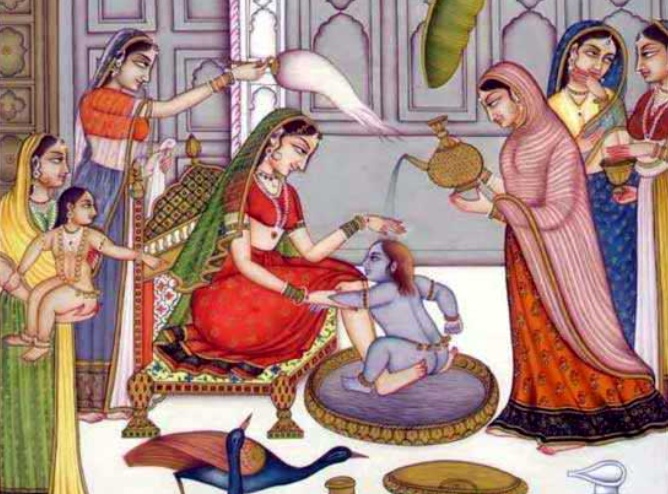
In earlier times, especially in our country, artists lived and worked within royal courts. Their primary responsibility was to please the king and glorify his power and prestige through art. Kings, queens, royal events, divine figures, and scenes of authority dominated artistic subjects. Art depended heavily on patronage. The artist’s freedom was limited, as art functioned largely as an instrument of royal representation.
With time, the power of kings declined. Artists gradually stepped out of royal courts and turned toward the broader public for livelihood. This shift brought a significant transformation in subject matter. Common people, their daily lives, emotions, struggles, and celebrations began to appear in paintings. Art slowly became a mirror of society rather than a symbol of authority.
During this phase, many artists still focused on capturing external form with precision. Realistic representation remained central. However, the artistic mind did not remain confined to outward appearance. A deeper question emerged: Is art merely the imitation of visible reality? Or is it the expression of inner experience?
As artists began to explore the depths of the human mind, the language of art transformed. Color, line, and composition became vehicles of emotion rather than tools of imitation. The resemblance to visible reality started to dissolve. This apparent “distortion” was not a rejection of reality, but a movement toward a deeper truth. From this shift emerged abstraction.
Abstraction is not the denial of the external world; it is the search for its inner essence. The deeper art entered into the mind, the more it moved away from surface resemblance, yet the more intense and authentic it became.
Today, in the world of visual art, a fundamental question remains: Is a beautiful image enough to be called art? Or does art truly exist only when it carries the depth of the artist’s inner consciousness?
The evolution of art teaches us that forms change, styles change, mediums change — but the journey of the artistic mind, from the outer world to the inner self, is eternal.