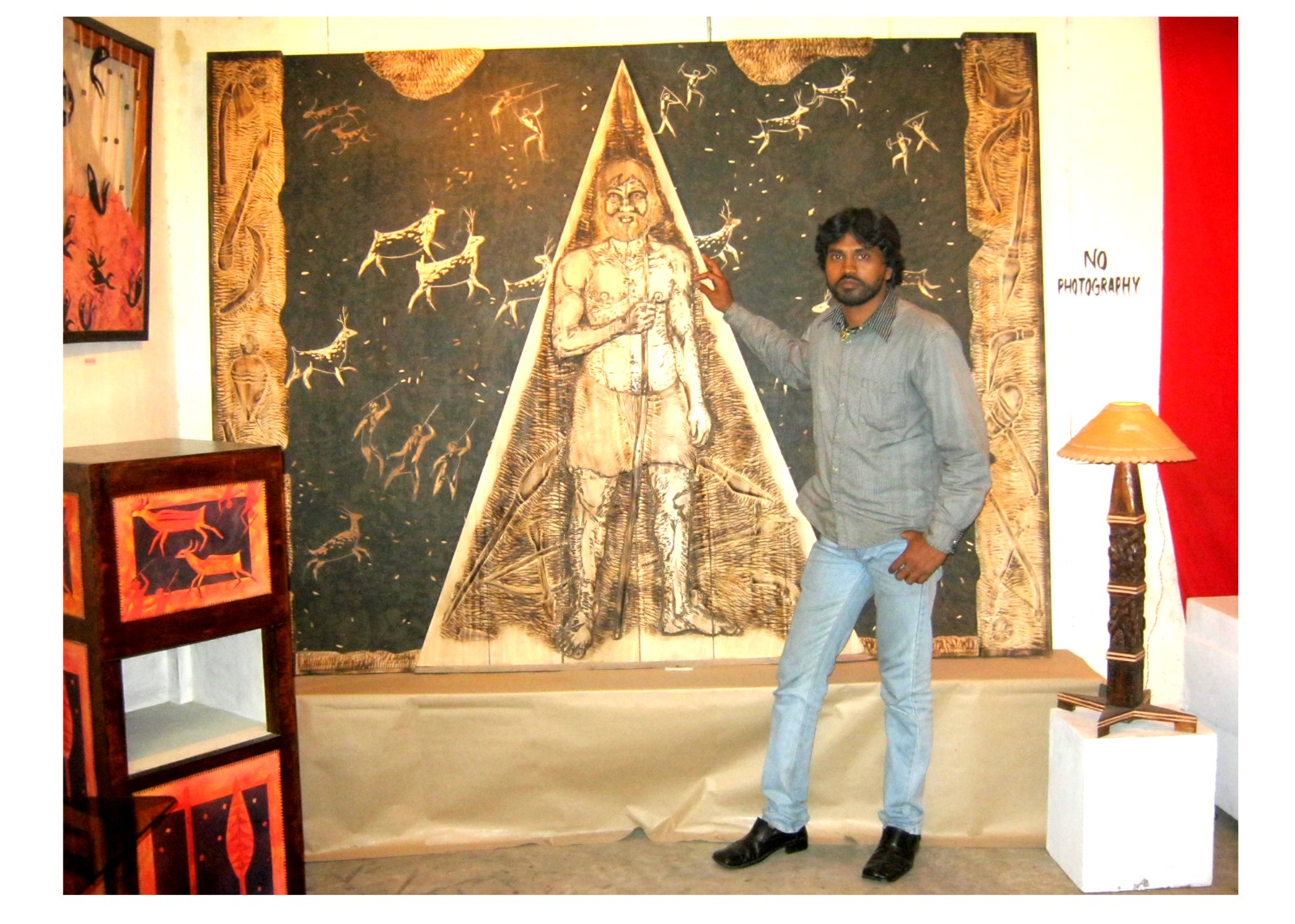
From Collective Ownership to Individual Signature — The Long Journey of Art
Long before the era of kings and kingdoms began, art already existed. At that time, art was not a decorative luxury; it was an essential part of human survival. Facing natural disasters—storms, floods, droughts, and unknown fears—people painted on the walls of caves to appease the forces of nature. In those cave paintings, we can still see the cries, prayers, and deep desire for survival.
Not only cave paintings, but when humans began making clay pots, designs also started appearing on their surfaces. Even everyday objects carried the touch of art. In other words, art was not a separate “object”; it was an inseparable part of life itself. Perhaps during that time, paintings were not created to hang on walls out of love or decoration. Yet in rituals, beliefs, and daily practices, art was always present.
Various inscriptions, symbols, and carvings from that period also stand as evidence of artistic practice. Not all artworks were created purely for aesthetic expression; rather, most emerged out of the necessity of life. Art was born to sustain life, and through walking alongside life, a sense of artistic awareness gradually developed.
In the middle ages, although art flourished under royal patronage, the freedom of artists was often restricted. Even so, art never remained confined to royal courts; it fundamentally belonged to the people, and it still does today.
One significant difference can be observed: in ancient times, art was collective property. The ownership of creation was shared by the community. Over time, however, art transformed into individual property. In folk music, poets would attach their names to the end of their compositions, and those names would be sung along with the songs. But in painting, there was no practice of signing artworks in earlier times. The artist’s signature was added later, when ownership of art became more individual-centered.
Art enriches individual life as well as the entire human society. Whether knowingly or unknowingly, consciously or unconsciously, we live with art—and we are bound to do so.
So we may ask: Is life for art, or is art for life?
Perhaps the answer, for most of us, is this—art is for life. Because art was born from the urge of life, and even today, it continues to flow through life itself.